
AI automation
Browse our collection of articles about ai automation — insights on AI automation, care services, and lifelong learning.
Articles Tagged with "AI automation"

Five Sprints and Not One User
Five sprints of modelling a client’s business from their documents produced a deployed portal and not one user. The fix was to stop building the system I had modelled and digitise the one they already run — starting with the single place a person was doing the same work twice.

The Only Email They Never Answered
A sales email arrived on 2 September for a subscription I cancelled three weeks earlier. The same inbox has owed me twenty-four dollars and fifty cents since 9 August. Both are handled by the same company, and only one of them moves.

The Desk Stopped Being the Bottleneck
Last sprint closed 34 stories in seven days, and every one of them needed me in one specific chair. This week that stopped being true. What changed was not the agents getting better. It was the chair becoming optional.

A Stack I Could Actually Add Up
Two weeks ago I left a platform because I couldn’t calculate what it would cost. The replacement came in at about A$33 per client per month — and the method that got there was listing the capabilities before naming a single vendor.

The Test That Graded the Wrong Thing
I confirmed the Cal.com API returns arrays. It does — and my node was still broken. The same week a measuring tool returned 53.3 and 35.7 for the same unchanged page. Two questions I now ask before trusting a green check.

The All-in-One That Couldn’t Be Priced
On 9 August I left GoHighLevel, and twelve hours of working build went with it. Not because the software was bad — because after every answer arrived I still couldn’t compute what one client would cost. The rule that came out of it, and what leaving actually cost.
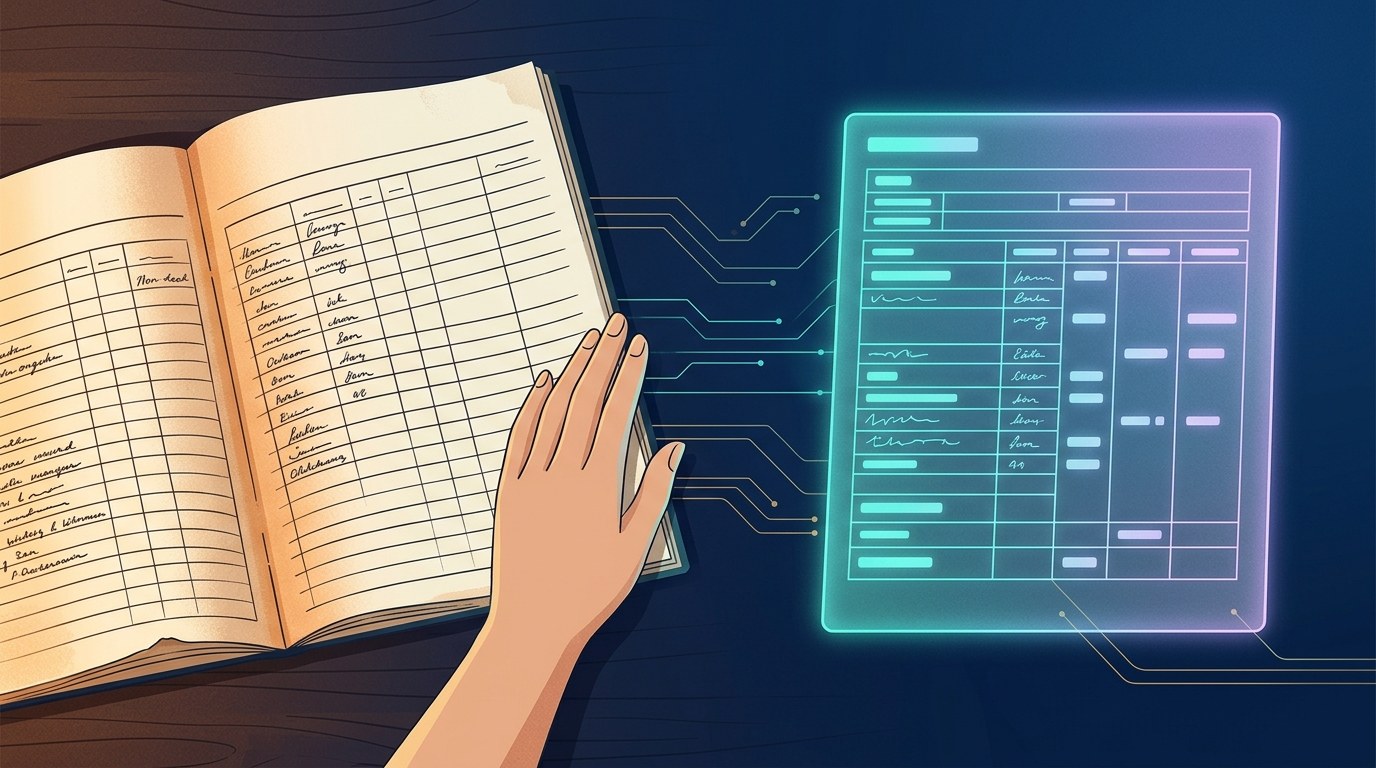
Build the SOP They Have
For five sprints I built a system nobody used — clean models, mock data, zero users. The fix wasn’t a better design. It was building the process the client already runs today, then improving it with the person who does the job. Why SOP-first digitisation gets adopted when a remake doesn’t.
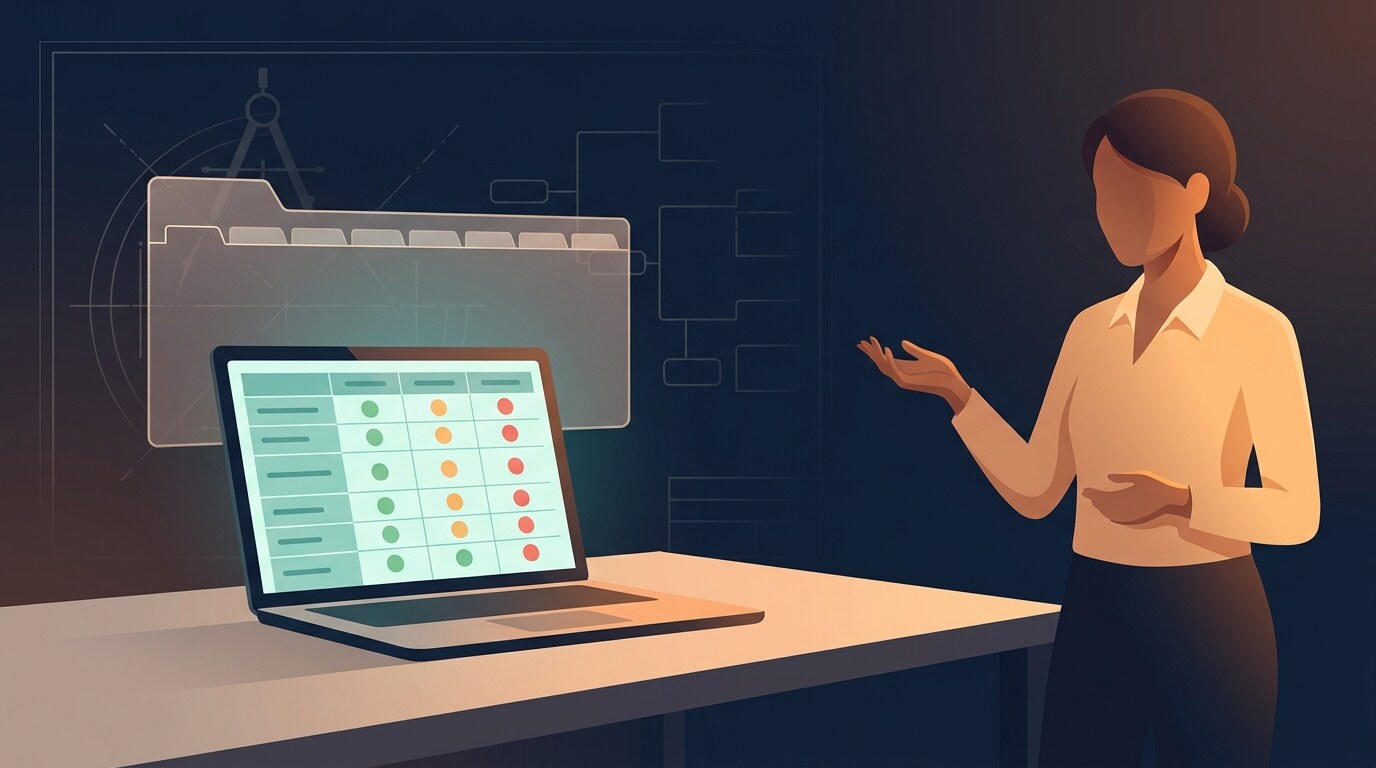
Case Study #1 — Audit-Ready Before Day One
Two months ago HappyHome was a name on a slide. Six operator hours and two sprints later, the venture’s compliance posture sits at 77 evidence rows across 7 domains, every gap owned. This is the inverted compliance stack — what an AI operating system does when you point it at a regulated launch.

The One-Man Agile Team
For decades, shipping serious software was a team sport — product, dev, QA, DevOps, the lot. Not anymore. After building my own AI operating system and a one-person development process on top of it, I now run full software projects — designed, built, tested, deployed, monitored — completely solo. Here’s how the leverage moved.

Build Log #3: Sprint “Rảnh Tay” Đầu Tiên
Năm ngày — ship được nhiều hơn bốn tuần trước cộng lại. Sprint đầu tiên mà tôi không phải giải thích lại tôi là ai, đang xây gì, hay các doctrine đã đồng ý. Sau nhiều tháng ghi chép, agent đã có đủ context — và hướng dẫn của tôi có thể ngắn gọn.

The TOS Stack — Every Tool, Every Layer
Fifteen weeks of building TrendAI OS in public. Six layers from substrate to dashboard, ten binding doctrines, five venture surfaces, and 116 components live in production. Every tool named. Every layer visible. No flashy demo — the OS itself is the demo.
Build Log #3: First Hands-Free Sprint
Five days. More shipped than the previous four weeks combined. My first sprint where I didn’t have to re-explain who I was, what I was building, or what we’d already decided. After months of writing things down, the agent finally had the context — and instructions could stay short.