

Every now and then, I open the drawer and see those unopened packets of medication — diabetes, cholesterol, and blood pressure tablets prescribed to me in February 2024. They serve as a powerful reminder of a pivotal choice I made and the knowledge that empowered it.
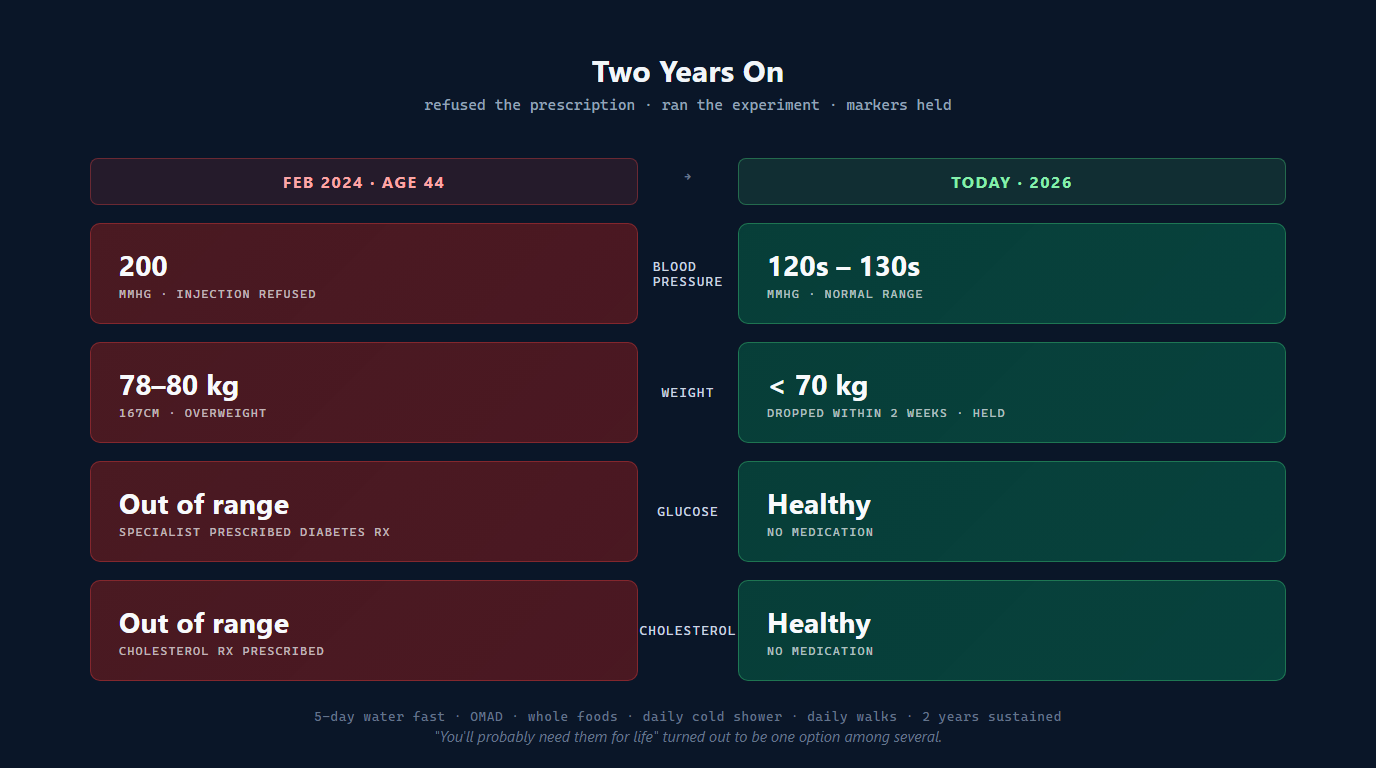
In February 2024, at age 44, after a dog bite, I went to the hospital for a vaccine. My blood pressure reading hit 200. They refused the injection and sent me home. Follow-up blood work led a specialist to prescribe tablets for diabetes, cholesterol, and high blood pressure. Multiple doctors warned me: “Once you start these, you’ll probably need them for life.”
That statement activated something deep inside me. I politely refused the medications. Those packets remain untouched today — not as a backup plan, but as a daily reminder of the path I chose instead.
The Research That Rewired My Beliefs
My mother was diagnosed with diabetes about 30 years ago. That family history, combined with the lead-up to the COVID years, drove me to deeply research natural approaches to metabolic health. I studied experts who challenged conventional wisdom with science and clinical experience:
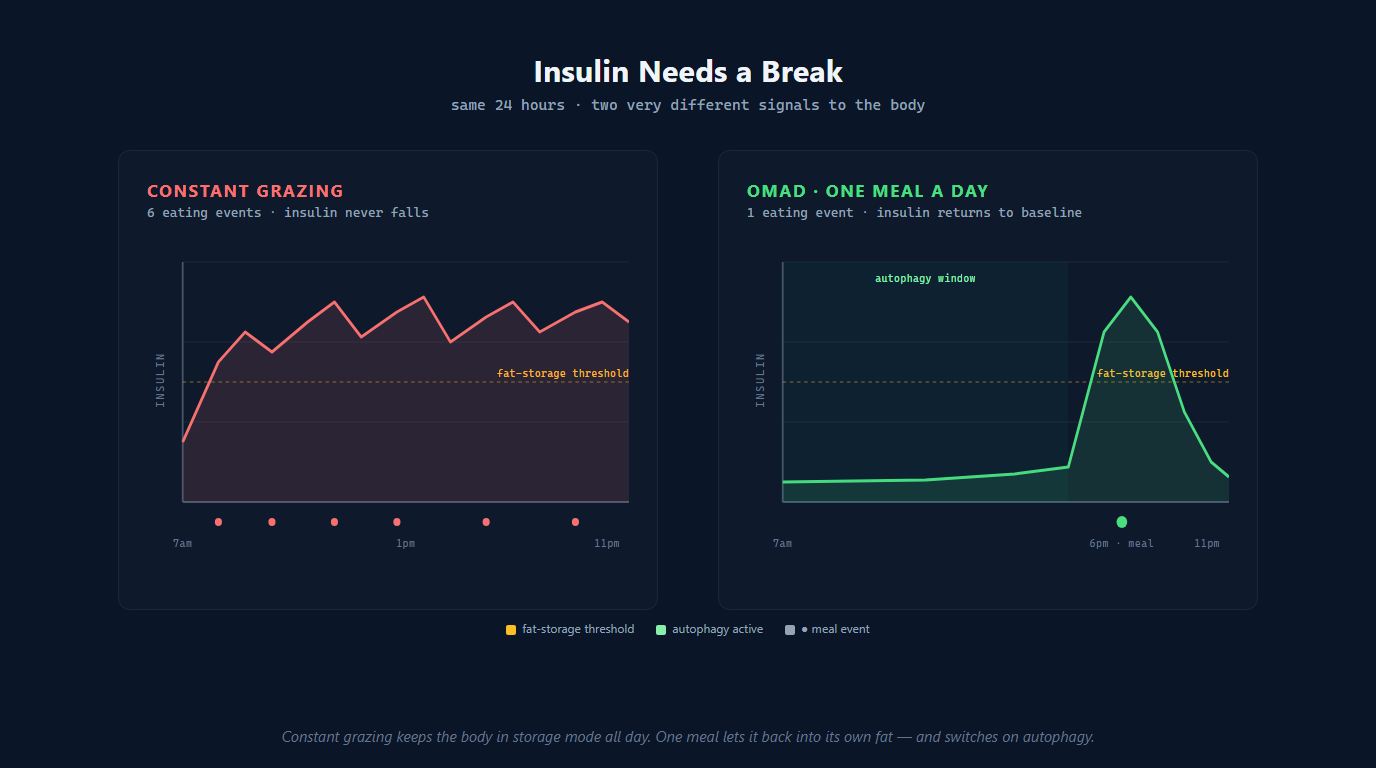
- Dr. Jason Fung, a nephrologist renowned for treating type 2 diabetes patients through therapeutic fasting. He explains how fasting lowers insulin levels, promotes fat burning, and triggers autophagy — the body’s natural cellular “cleanup” process that removes damaged proteins and organelles. Fasting is one of the most potent activators of autophagy.
- Dr. Pradip Jamnadas, a cardiologist who has delivered powerful lectures on insulin resistance, the damaging effects of frequent sugar and refined carbohydrate intake, constant snacking that keeps insulin chronically elevated, and the profound mismatch between modern eating habits and our evolutionary biology. He emphasizes how our bodies restore insulin sensitivity during periods of fasting.
- Wim Hof, known as “The Iceman,” whose breathing techniques and cold exposure methods show how regular cold showers or ice baths can help modulate inflammation, influence immune response, and build mental and physical resilience.
These teachings resonated deeply because they aligned with a fundamental truth about human biology.
Ancestral DNA and Eating Patterns: Millions of Years in the Making
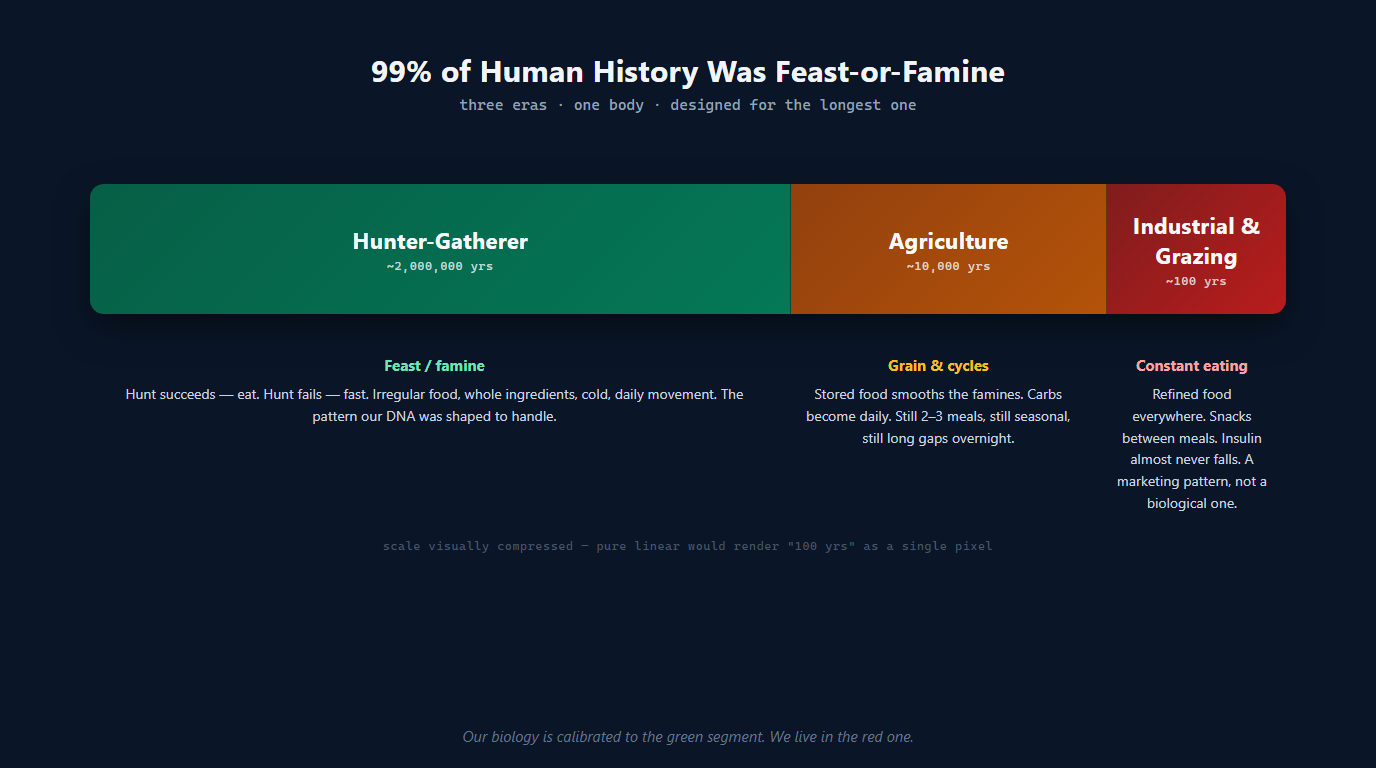
For the vast majority of human evolutionary history — nearly 99% of it — our ancestors lived as hunter-gatherers in feast-or-famine cycles. Modern agriculture only began around 10,000–12,000 years ago, which is an extremely short period in evolutionary terms.
Deeper still, hominin dietary evolution stretches back millions of years, with significant shifts occurring around 2–3 million years ago as early Homo species developed. Our DNA was shaped over hundreds of thousands to millions of years by irregular food availability: successful hunts led to feasting, followed by periods of fasting. The modern routine of three meals a day plus snacks is a very recent cultural and commercial development — heavily influenced by marketing (e.g., the “breakfast is the most important meal of the day” slogan promoted by cereal companies) rather than our biological design.
We are what we eat. A perspective I strongly believe — and one echoed in many health discussions — is that 90% or more of diseases would not occur if we consistently ate right, aligning with our ancestral biology instead of modern processed foods. This ties into statistics suggesting a massive portion of hospital patients (e.g., roughly 2/3 in the US) might not be there if not for diets heavy in processed and junk foods.
This evolutionary mismatch contributes significantly to today’s metabolic challenges.
My Practices Over the Years — Including Some Deeper Reflections
Since those years of research, I have consistently applied several practices:
- Daily cold showers (Wim Hof-inspired): A non-negotiable habit that supports immune function and builds resilience.
- Extended fasting: Multiple 3–5 day fasts. On some occasions I consumed only pure water; on two occasions I did complete dry fasting (no food, no water). During one fast, on the 6th day I drove 400km solo to visit friends and broke the fast at a family gathering. I learned that hunger pangs are often just habitual chemical signals from past eating routines. When they arise, I remind myself of this, distract my focus for 30–60 seconds (or 5 minutes), and they typically subside. Our bodies can access stored energy far more effectively than most of us have been led to believe. There’s a documented case of a person over 200kg who fasted under medical supervision for nearly a year.
- Intermittent fasting / OMAD: One meal a day within a 1–2 hour eating window.
- Whole foods focus: Only whole foods — no sugar, no fat, no carbs. Real, unprocessed foods that align better with our ancestral biology.
- Pure/distilled water: I purchased a simple countertop distiller for about $120 on eBay years ago. It produces around 4L of condensed pure water every 4 hours — enough for two people daily. Melbourne tap water leaves visible mineral and chemical residue (including chlorine) after distillation. I’ve come across ideas that long-term consumption of chlorinated tap water may contribute to hardening or calcification in areas like the pineal gland, which some associate with creativity and intuition. There’s a perspective out there that this could be part of broader efforts toward population conformity — making people less creative and easier to influence. I don’t dwell on it obsessively, but it motivated my switch to distilled water at home. While I occasionally enjoy beer, Coke, or tap water when out, pure water has been our family’s primary source for years.
- Daily movement: High-intensity walks, even while fasting.
Important note: Extended fasting (especially multi-day or dry fasting) is not suitable for everyone. It should be approached with caution and ideally under professional guidance, particularly if you have existing medical conditions. Results vary by individual.
The 2024 Turning Point and Results
Right after refusing the prescriptions in 2024, I immediately did a 5-day fast to reset my system. I then transitioned to OMAD with whole foods (no sugar, no fat, no carbs) and daily high-intensity walks. At 167cm tall and previously weighing 78–80kg (overweight due to a poor lifestyle in the prior couple of years), my weight dropped below 70kg within two weeks. My blood pressure normalized into the 120s/130s range, and my blood sugar and cholesterol markers returned to healthy levels. These improvements have been sustainable to this day.
I am not against medicine. Pharmaceuticals play a critical role in managing acute symptoms and saving lives. However, I’ve reflected on how the system often seems geared toward long-term symptom management. One theory I’ve considered is that many doctors and researchers receive funding or influence from pharmaceutical companies, which may incentivize practices that keep patients on medications rather than fully addressing root causes like diet and lifestyle. Similar tactics appear in the confectionary and processed food industries, where products are designed to encourage ongoing consumption. These are my personal thoughts and observations — you can form your own opinions.
Two Life-Changing Concepts I Fully Implemented
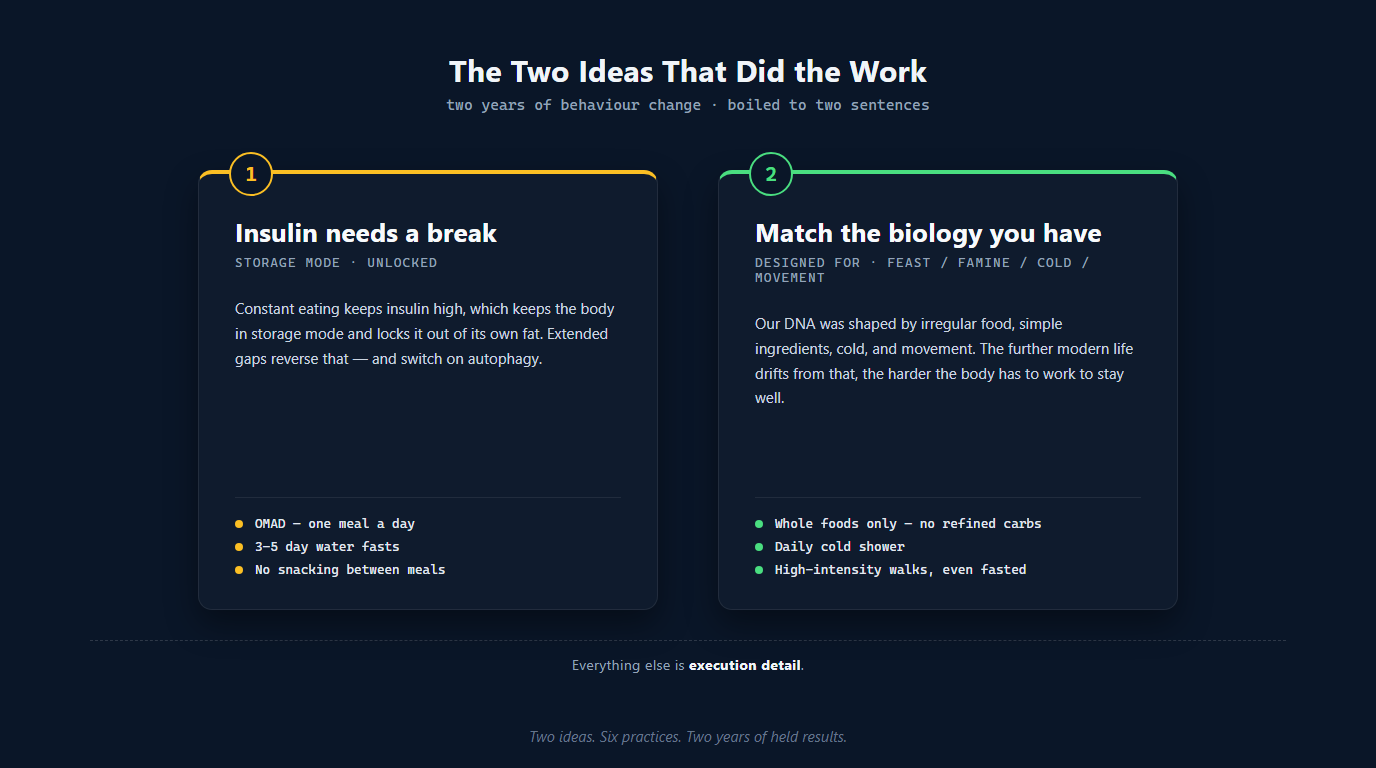
- Insulin Dynamics and Autophagy: Frequent eating keeps insulin elevated, promoting fat storage and resistance. Extended breaks allow insulin to drop, autophagy to activate for cellular repair, and the body to tap into stored energy efficiently.
- Aligning with Ancestral Biology: Our DNA is optimized for variable food availability, whole foods that are simpler to process, natural stressors like cold exposure, and regular movement. Modern constant grazing and processed foods often work against millions of years of evolutionary adaptation.
My Invitation to You
This story has been on my mind for years. Seeing those old medication packets again recently reminded me how important it is to share. I’m not a doctor, and this is not medical advice. Everyone’s situation is unique — genetics, starting health, and circumstances differ greatly. Always consult qualified healthcare professionals before making significant changes, especially with fasting.
We each have far more agency over our health than many prevailing messages suggest. Small, consistent steps can lead to profound results: try cold showers, extend the time between meals, prioritize whole foods, and move daily. Listen to your body.
I’d love to hear your experiences in the comments. What health practices have made the biggest difference in your life? What challenges are you facing on your journey?
Here’s to vitality, resilience, and reconnecting with our body’s natural wisdom.
#NaturalHealth #Fasting #AncestralHealth #MetabolicHealth #Autophagy #WellnessJourney